Skip to content

Eco-Global Water Supply Project

Turn water into resilience

An underground mainline carrying water to Mongolia's Southern Gobi — and generating renewable electricity along the way.

Ulaanbaatar, Mongolia · 10 August 2026

Generation sites along the mainline
4Generation sites along the mainline
Combined available hydraulic head
247mCombined available hydraulic head
Depth of the mainline below the surface
~3mDepth of the mainline below the surface
Intended year-round supply
4seasonsIntended year-round supply

Figures as stated in the project brief. All parameters are indicative and subject to feasibility study.

The Challenge

The Gobi will develop. The question is what supplies it.

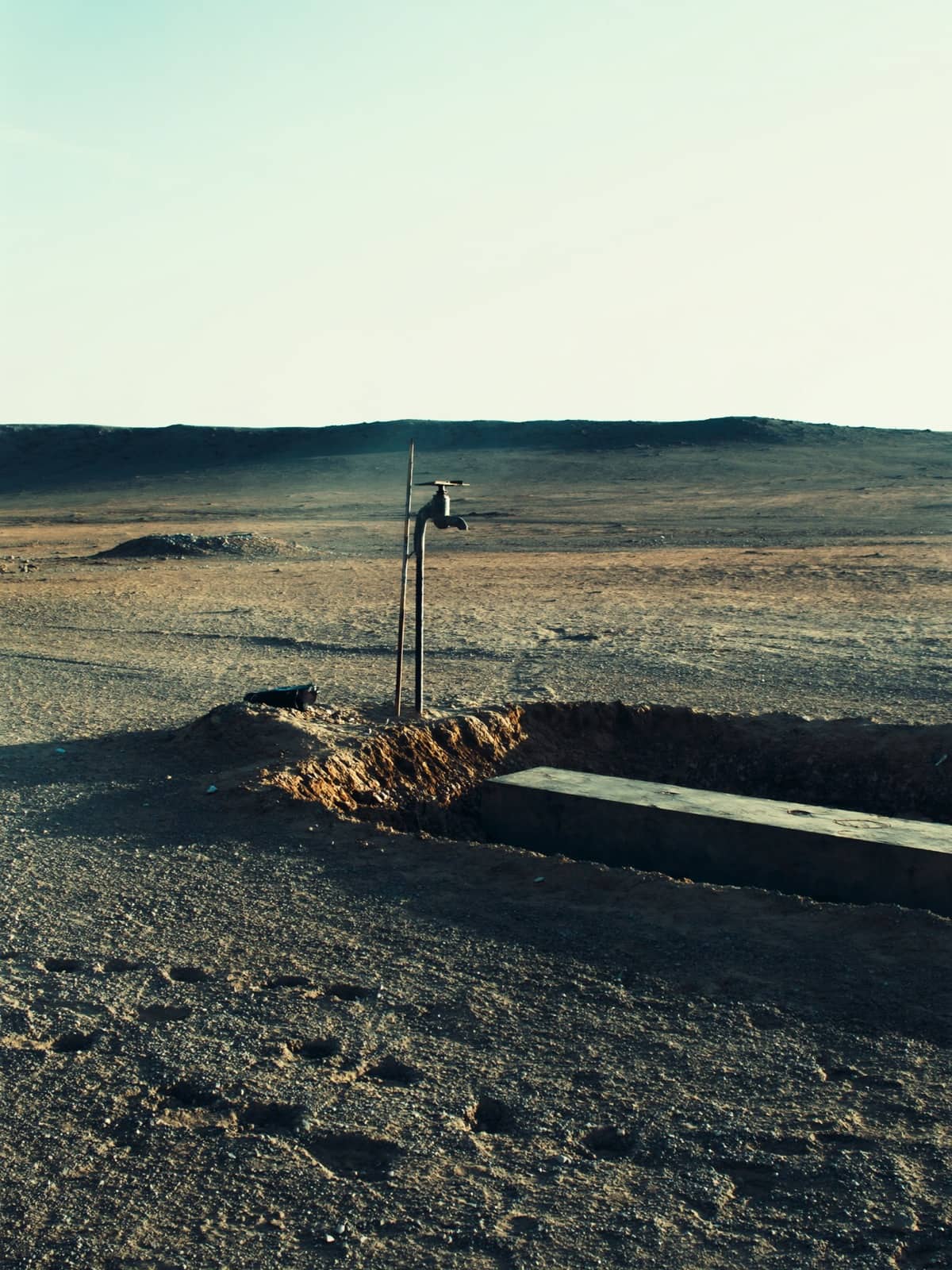
A lone standpipe and concrete watering trough on an empty Gobi gravel plain at dusk, the ground around them churned and dry

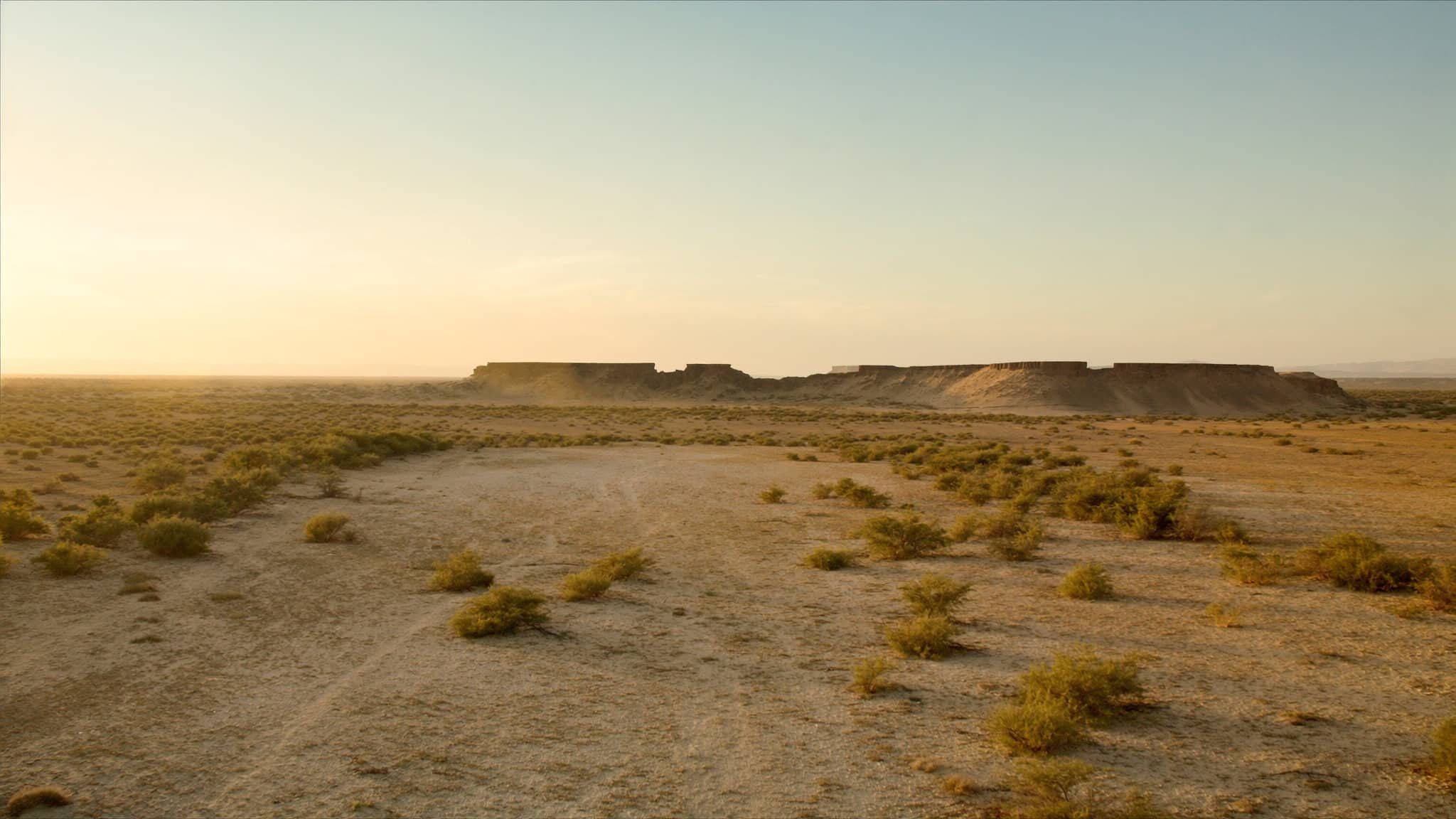
Mongolia's Southern Gobi is among the driest parts of the country. The mining, industrial and agricultural activity taking shape there depends largely on groundwater — a finite resource in an arid basin, drawn from aquifers that recharge slowly, if at all.

At the same time, desertification and rising water stress are reshaping the landscape and the livelihoods that depend on it. Surface storage in this climate loses water to evaporation in summer and to ice in winter.

The question is not whether the Gobi will develop. It is whether that development can be supplied with water without drawing down the aquifers beneath it.

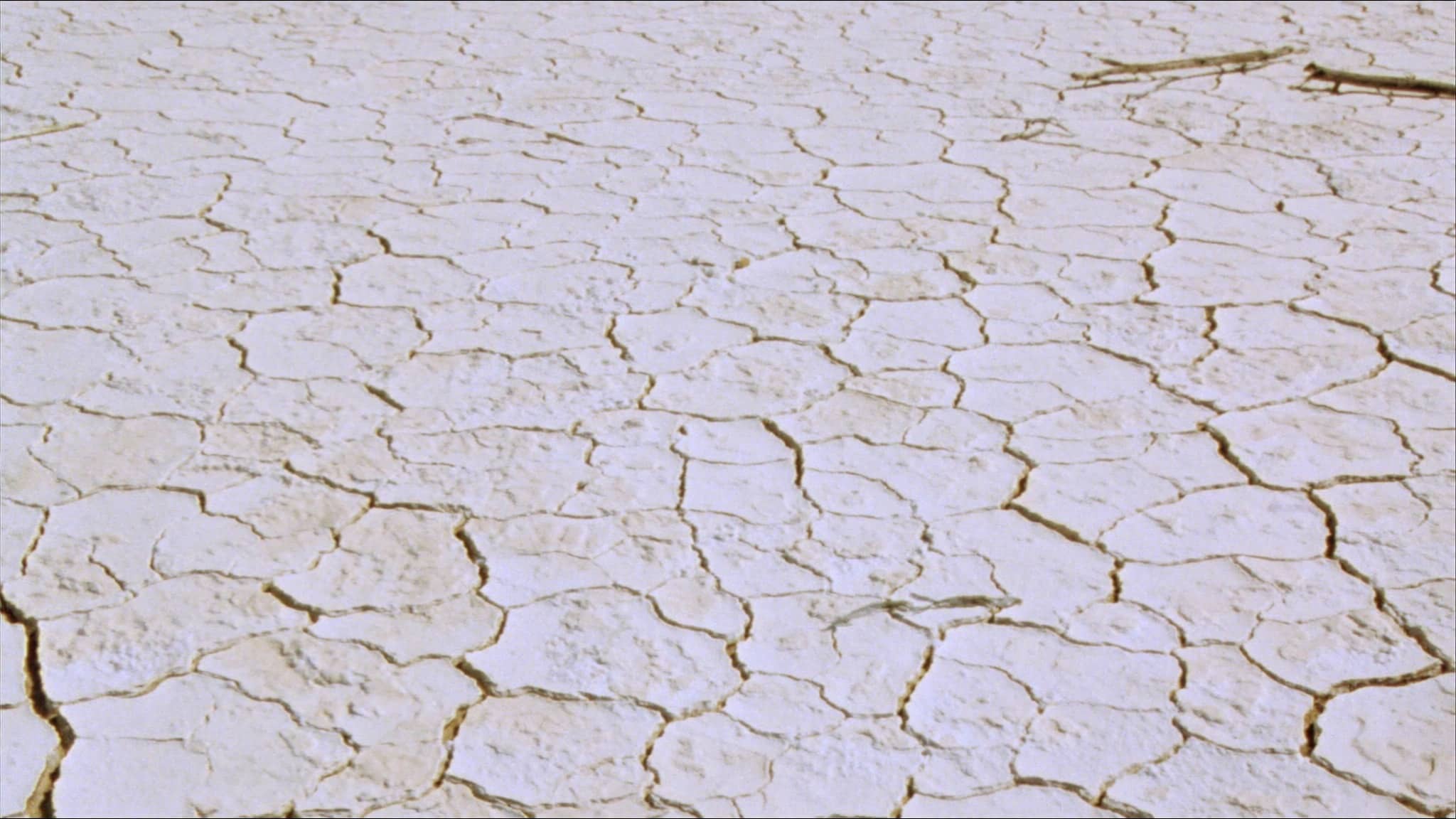
Sun-baked desert clay broken into wide polygonal cracks

The aquifers recharge slowly, if at all.

The Project

One line. Water and power.

The Eco-Global Water Supply Project proposes an underground mainline carrying water from domestic sources to Mongolia's Southern Gobi region, developed as a public-private partnership.

One of its principal components — Hydropower Generation within the Underground Mainline — treats the line as more than a pipe. At four points along the route, natural elevation differences are used to drive turbines, so the same infrastructure that delivers water also produces renewable electricity.

01

The mainline

A buried water-transmission line running approximately three metres below the surface, from a domestic source to consumers across the Gobi region. Burial is intended to minimise surface disturbance and reduce exposure to extreme weather.
02

Generation along the route

Turbines at four locations use the flow, hydraulic head and natural elevation differences already present on the route. No large artificial reservoirs or conventional dams are proposed.

Objective

To establish a sustainable and reliable water supply and energy infrastructure for the Southern Gobi — supporting new economic activity while reducing pressure on groundwater and contributing to the long-term protection of the Gobi ecosystem.

Film

The project film

The project team's own presentation: Turn Water Into Resilience, Combat Desertification.

The Route

Four drops along one line

The mainline runs south from its source and divides into a western and a south-eastern branch. At four points, natural elevation differences make generation possible. Select a site to see its available head.

Schematic map of Mongolia with the indicative mainline routeThe route runs south from the Ekh Oronch River and divides into a western branch serving Bayanzag and Khermen Tsav, and a south-eastern branch serving Gantsmod. Tsagaan Suvarga sits at the junction. The same figures are given in the table below.Ekh Oronch RiverSource · to be confirmedUlaanbaatarKhermen Tsav · 90 mTsagaan Suvarga · 70 mBayanzag · 60 mGantsmod · 27 m
  • Indicative mainline
  • Generation site
  • City

Combined available head

247m

across 4 generation sites, from 27 m at Gantsmod to 90 m at Khermen Tsav.

Select a site on the map

Available hydraulic head by site

Sites are shown in order of available head, as listed in the project brief. This is not a longitudinal profile of the mainline.

Proposed hydropower generation sites
SiteAvailable headProvinceKnown for
90 mÖmnögoviCanyon system in the far south-west Gobi
70 mDundgoviSedimentary cliff formation, 'the white stupa'
60 mÖmnögoviThe Flaming Cliffs
27 mÖmnögoviSouthern border crossing and mining corridor

Schematic representation. The alignment shown is indicative and the source location is subject to hydrological survey; it is not a surveyed route.

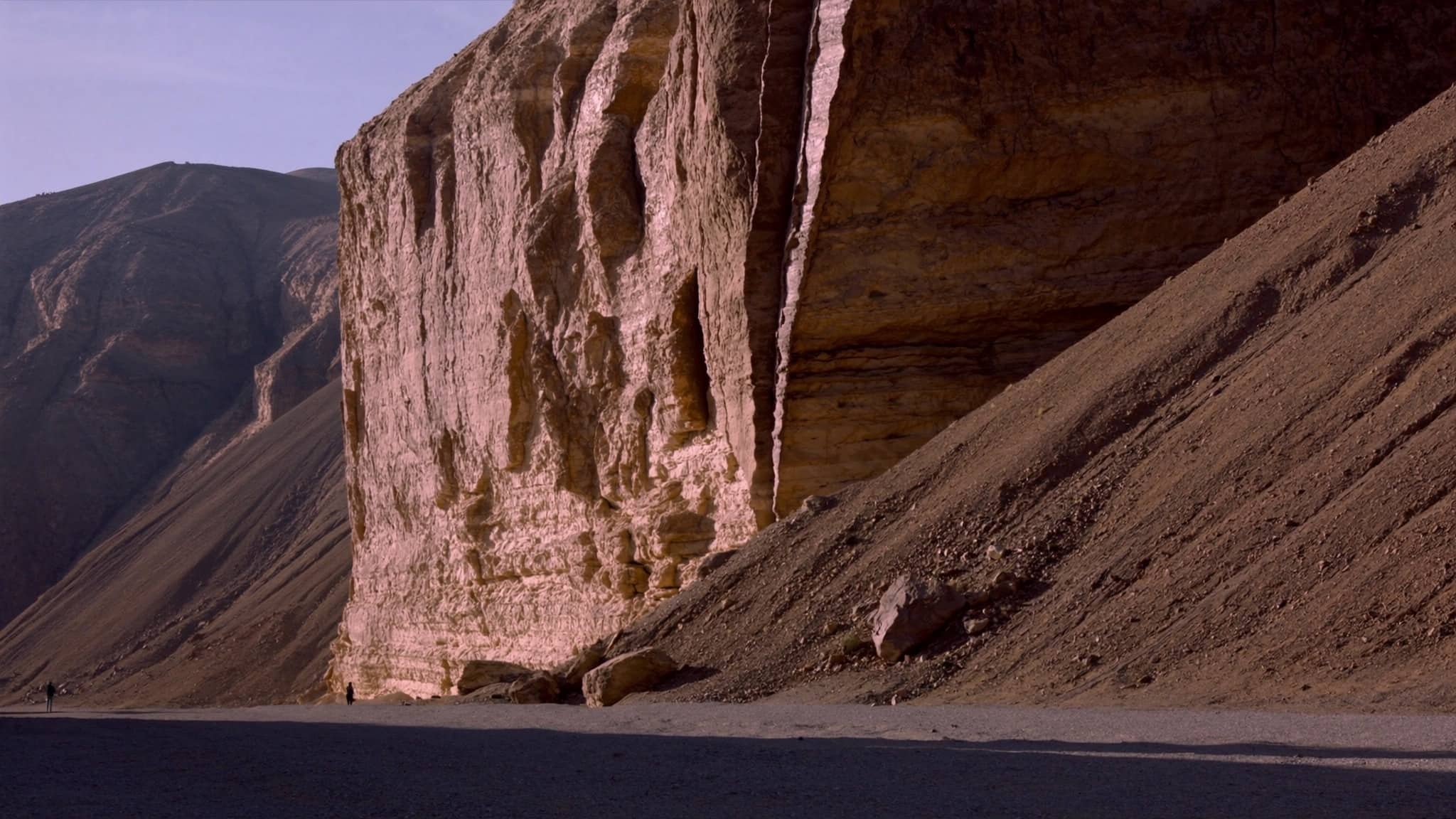
A tall eroded desert escarpment rising above a dry gravel plain, with two figures at its base for scale

Ninety metres of fall, already there.

Features

Why this shape of infrastructure

  1. 01

    Domestic water resources

    The project is designed to draw on water resources located within Mongolian territory. Source arrangements would be developed in accordance with national legislation and applicable environmental and water-management requirements, and designed to avoid impacts associated with the diversion of transboundary waters.

  2. 02

    An underground mainline

    The line is planned to run roughly three metres below the surface, minimising surface disturbance and impacts on existing land use and ecosystems. Environmental and social impacts would be assessed under Mongolian law and relevant international standards as the project moves through feasibility, design, permitting and implementation.

  3. 03

    Year-round supply

    The system is intended to deliver a stable supply through all four seasons. Burial may also reduce exposure to extreme weather and limit the evaporation and freezing losses associated with surface storage — advantages to be confirmed through detailed engineering study.

  4. 04

    Generation without large dams

    Generation relies on natural elevation differences and flow within the mainline rather than large reservoirs or conventional dams. This has the potential to reduce the scale of civil works and the associated capital requirement, subject to technical and economic assessment.

  5. 05

    An integrated system

    The generation facilities are designed to operate as part of the water-transmission system rather than alongside it: water is conveyed continuously through the line and electricity is produced along the route. The feasibility of a fully recirculating configuration is to be confirmed through detailed hydraulic study.

  6. 06

    A base for economic development

    Reliable water and energy could create the conditions for broader activity in the Gobi — responsible mining and mineral processing, agriculture and livestock, industry, local business and services, new employment, and improved living conditions for communities.

  7. 07

    Green and climate-resilient initiatives

    A dependable supply opens the door to water harvesting, landscape restoration, vegetation development and other measures aimed at reducing the impacts of desertification. Proposals involving artificial waterfalls or atmospheric humidification would be subject to scientific, environmental and technical assessment before implementation.

  8. 08

    Long-term regional development

    A water-supply backbone lets industry, agriculture and services develop in phases. The long-term objective is an integrated infrastructure platform that supports sustainable development while strengthening the region's resilience to water scarcity and desertification.

Climate Resilience

Water security, land restoration, and the fight against desertification

The project is intended to contribute to the broader objectives of water security, climate resilience, land restoration and combating desertification in Mongolia's arid and semi-arid regions.

By improving access to reliable water and integrating water with renewable-energy infrastructure, it could support adaptation to increasing water stress and help create the conditions for sustainable development in vulnerable areas.

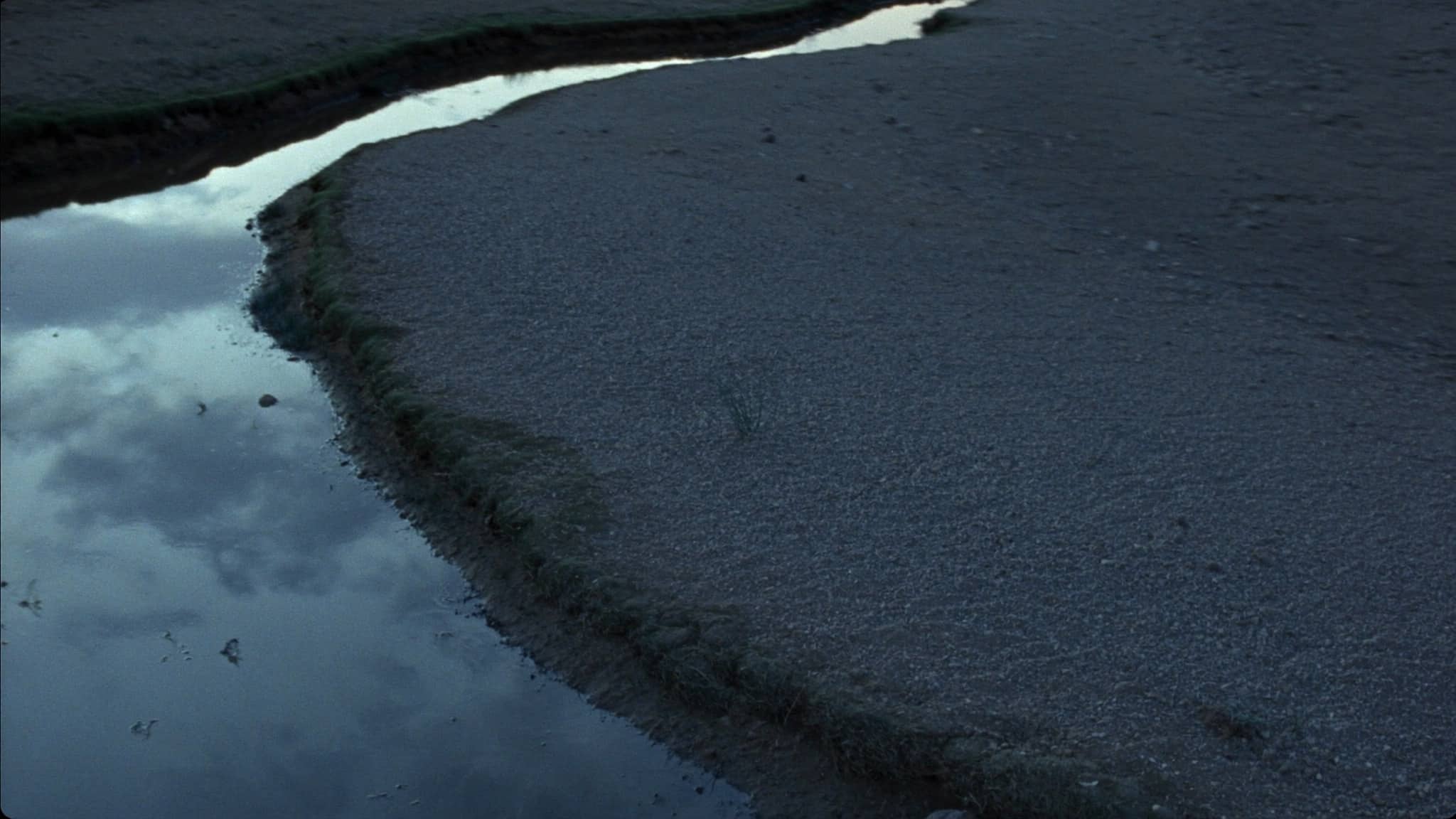
A ribbon of water threading across pale desert gravel at dusk, green shoots along its wet margins

Water first. Everything else follows.

Impact

What reliable water makes possible

By establishing a water-supply backbone for the Gobi region, the project could support the phased development of water-dependent activity across several sectors.

  • Responsible mining

    Mineral extraction and processing supplied without further drawdown of local aquifers.

  • Agriculture and livestock

    Irrigated production and watering points for herding communities.

  • Industry

    Processing and manufacturing that today cannot be sited for lack of water.

  • Business and services

    Local enterprise supported by predictable basic infrastructure.

  • Employment

    Construction, operation and the activity that follows the supply.

  • Communities

    Improved living conditions where water is currently trucked or rationed.

Team

Project team and supporting organisations

Initiator

TUVSHINBAT Jaltsan

Project Initiator

Advisors

  • Batjargal Zambia

    Former President of the Conference of the Parties to the United Nations Convention to Combat Desertification; State Award Recipient; Honored Environmental Worker

  • Byambajav Erdene

    Distinguished Economist; Ambassador Extraordinary and Plenipotentiary; Professor

  • Enkhjav Ayurzana

    Executive Director, Veterans Committee of the Ministry of Justice and Internal Affairs

Supporting organisations

  • Mongolian National Chamber of Commerce and Industry
  • Mongolian Water Engineering Professional Association
  • Veterans Committee of the Ministry of Finance (NGO)
  • Veterans Committee of the Ministry of Justice and Internal Affairs (NGO)